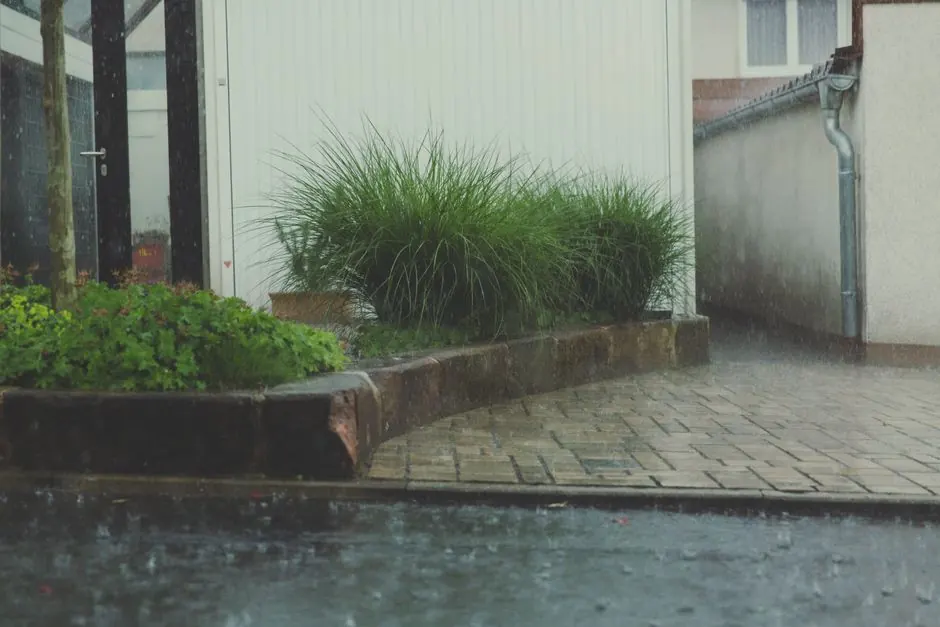
Heavy rains can lead to significant water damage in homes, especially in areas like Everett where the climate can be unpredictable. Preparing your home ahead of time can save you from costly repairs and ensure your family's safety. This guide will walk you through the essential steps to prepare your home for heavy rains and minimize the risk of water damage.
Understanding the Risks of Heavy Rains
Heavy rains can cause various issues, including flooding, roof leaks, and structural damage. In Everett, where rainfall averages around 37 inches annually, understanding these risks is crucial. Flooding can occur quickly, especially in low-lying areas or near rivers. Additionally, older homes may have vulnerabilities that need addressing before the rainy season hits.
Inspecting Your Home's Exterior
Start by examining the exterior of your home for any signs of wear and tear. Look for cracks in the foundation, damaged siding, or gaps in brickwork. Ensuring that your home is sealed tight will help prevent water intrusion.
- Check for cracks and gaps in the foundation.
- Inspect siding and roofing for damage.
- Look for signs of previous water damage.
Addressing these issues early can prevent more severe problems later. If you find significant damage, consider reaching out for Water Damage Restoration Everett WA to assess and repair any vulnerabilities.
Preparing Your Gutters and Downspouts
Gutters and downspouts play a vital role in directing rainwater away from your home. Clogged gutters can overflow, leading to water pooling around your foundation. Regular maintenance is essential:
- Clean gutters at least twice a year.
- Ensure downspouts direct water at least 6 feet away from the foundation.
- Check for any leaks or damage in the gutter system.
In Everett, where heavy rains can be common, this maintenance is especially important. If you need assistance, consider professional flood cleanup services Everett to ensure your gutters are functioning correctly.
Sealing Windows and Doors
Another critical step in preparing your home is ensuring that all windows and doors are properly sealed. Over time, seals can wear down, allowing water to seep in during heavy rains. Here's what you should do:
- Inspect weather stripping around windows and doors for damage.
- Use caulk to seal any gaps or cracks.
- Consider installing storm windows for added protection.
These measures can significantly reduce the risk of water damage. If you experience persistent leaks, it may be time to look into Roof Leak Repair Everett WA to address any underlying issues.
Creating a Water Damage Action Plan
Having a plan in place can make a significant difference when heavy rains hit. Outline steps to take if water begins to enter your home:
- Identify and shut off the main water supply if necessary.
- Move valuable items to higher ground.
- Document any damage for insurance purposes.
This plan will help you act quickly and efficiently in the event of water intrusion. For those concerned about potential damage, Emergency Water Removal Everett WA services are available to assist in urgent situations.
Common Mistakes to Avoid
When preparing for heavy rains, homeowners often make several common mistakes:
- Neglecting regular maintenance of gutters and downspouts.
- Ignoring signs of water damage or leaks.
- Failing to create an emergency action plan.
By avoiding these pitfalls, you can better protect your home from the dangers of heavy rainfall.
When to Call a Professional
If you notice significant water intrusion or damage, it's crucial to call a professional. At Water Damage Everett, we specialize in comprehensive water damage solutions, ensuring your home is safe and dry. Our team can assist with everything from water extraction services Everett to complete restoration.
Frequently Asked Questions
What should I do if my basement floods?
First, ensure it's safe to enter the area. Then, shut off the electricity and call for professional flood cleanup services to remove water and assess damage.
How can I prevent water damage during heavy rains?
Regular maintenance of gutters, sealing windows and doors, and inspecting your home's exterior are key steps in preventing water damage.
Is my homeowner's insurance likely to cover water damage?
Coverage can vary. Review your policy and speak with your insurance agent to understand what is covered, especially concerning flooding.
When should I consider hiring a water damage restoration service?
If you notice any signs of water damage, such as discoloration on walls or ceilings, or if flooding occurs, it's best to consult a professional.
What are the signs of a roof leak?
Common signs include water stains on ceilings or walls, mold growth, and visible cracks or holes in the roof. Addressing these issues promptly can prevent further damage.